

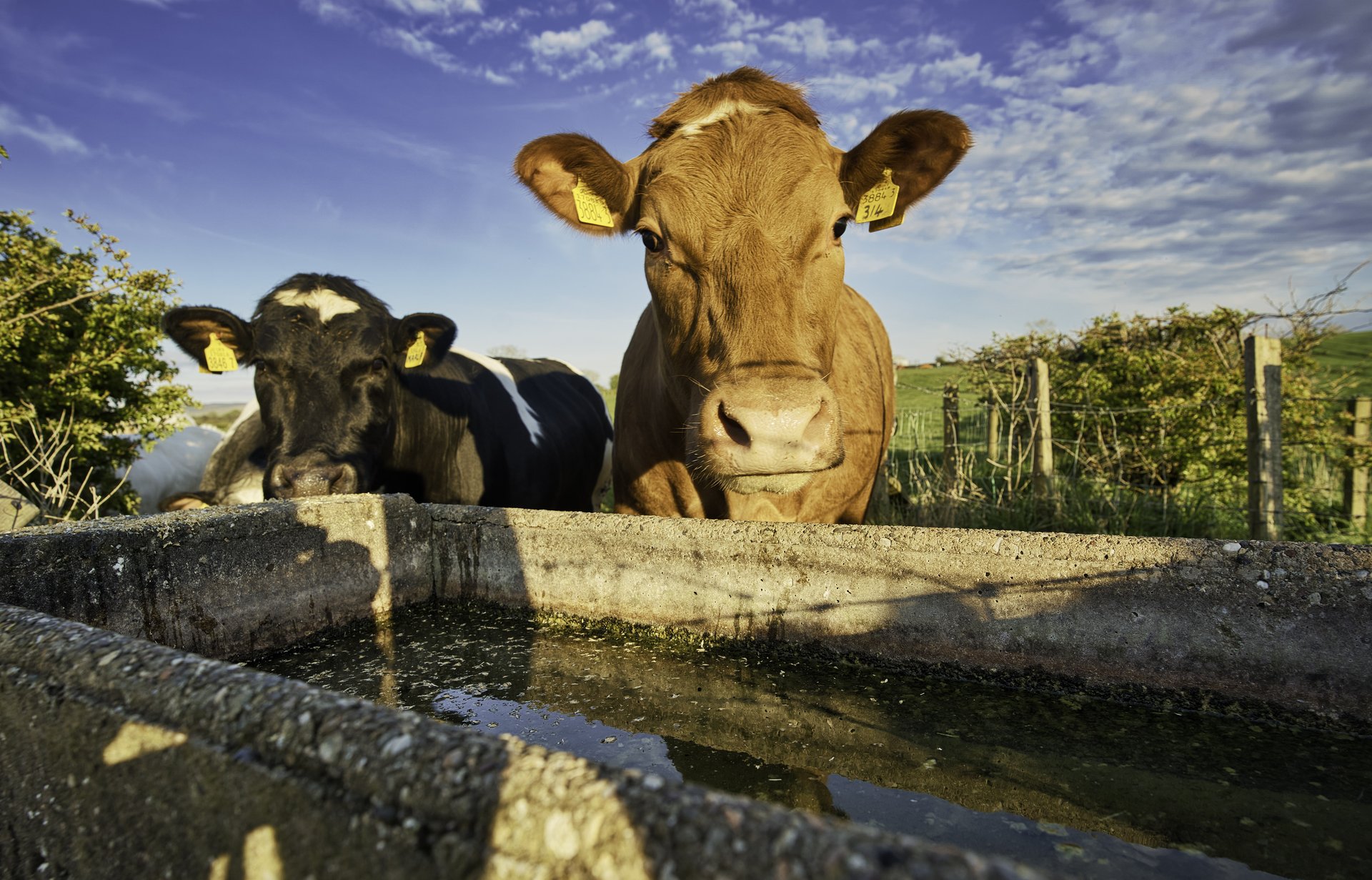
Across the project we are working with farmers, landowners, local communities and other stakeholders to develop and deliver practical solutions that improve water quality, enhance biodiversity and strengthen the resilience of our shared waterways.
Farmers & Landowners
Working with farmers and landowners is at the centre of the Protecting Shared Waters project. Over the course of the project, we will work closely with local farming communities to identify practical and effective nature-based solutions (NbS) that can help protect our rivers and streams while fitting around the needs of the farm.

Agronomy and Nutrient Management – Camowen Sub-Catchment
Phosphorus, along with other nutrients such as nitrogen, potassium and sulphur, is essential for healthy crop growth and achieving optimum yields. Applying nutrients in the right amounts and proportions helps crops make the best use of available resources, supporting productivity and helping to reduce concentrate feed requirements on farm.
However, nutrients applied in excess of crop requirements can be lost from fields through runoff, erosion or drainage. When phosphorus enters rivers, lakes and other freshwater bodies, it can stimulate excessive algal growth, leading to eutrophication, poorer water quality and damage to aquatic ecosystems. Good nutrient management is therefore important both for farm performance and for protecting the water environment.
The agronomic work within the Protecting Shared Waters project led by AFBI will support farmers in the Camowen sub-catchment to optimise nutrient management and improve nutrient use efficiency.
Using soil test results as the foundation for nutrient planning, farmers will receive tailored agronomic advice to help match nutrient applications to crop and grassland requirements.
The project will provide guidance on nutrient management planning, promote best practice in nutrient stewardship, and demonstrate how precision nutrient application technologies can improve the accuracy and effectiveness of fertiliser and organic manure applications.
What are we offering? – Support & Opportunities
- Free, confidential agronomy advice and soil testing
- One-to-one, farm-specific nutrient and soil management advice (free and confidential)
- Focus farm demonstrations: precision fertiliser and precision slurry application
By helping farmers make informed decisions about nutrient inputs, the project aims to support profitable and productive farming systems while reducing the risk of nutrient losses to the water environment.
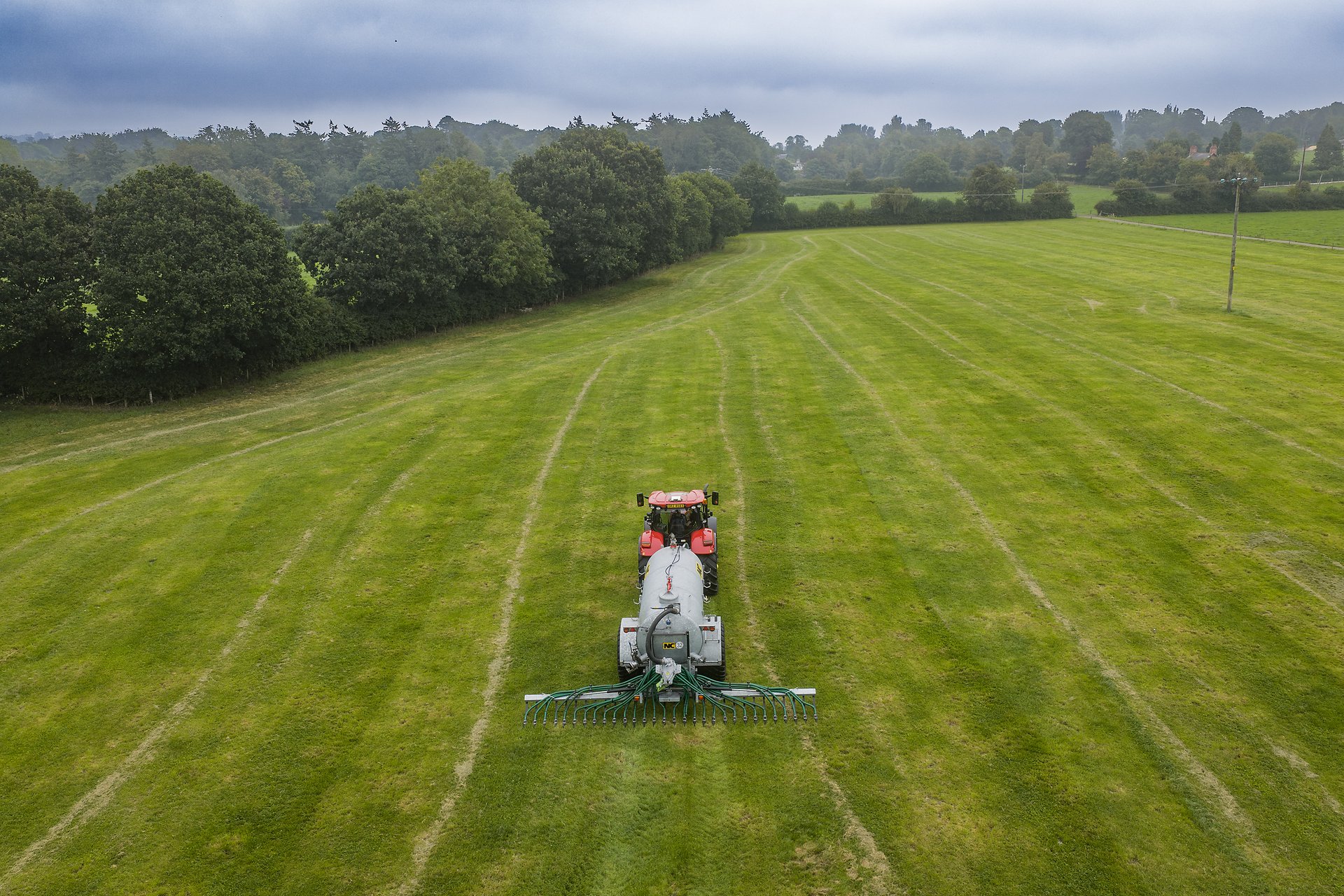
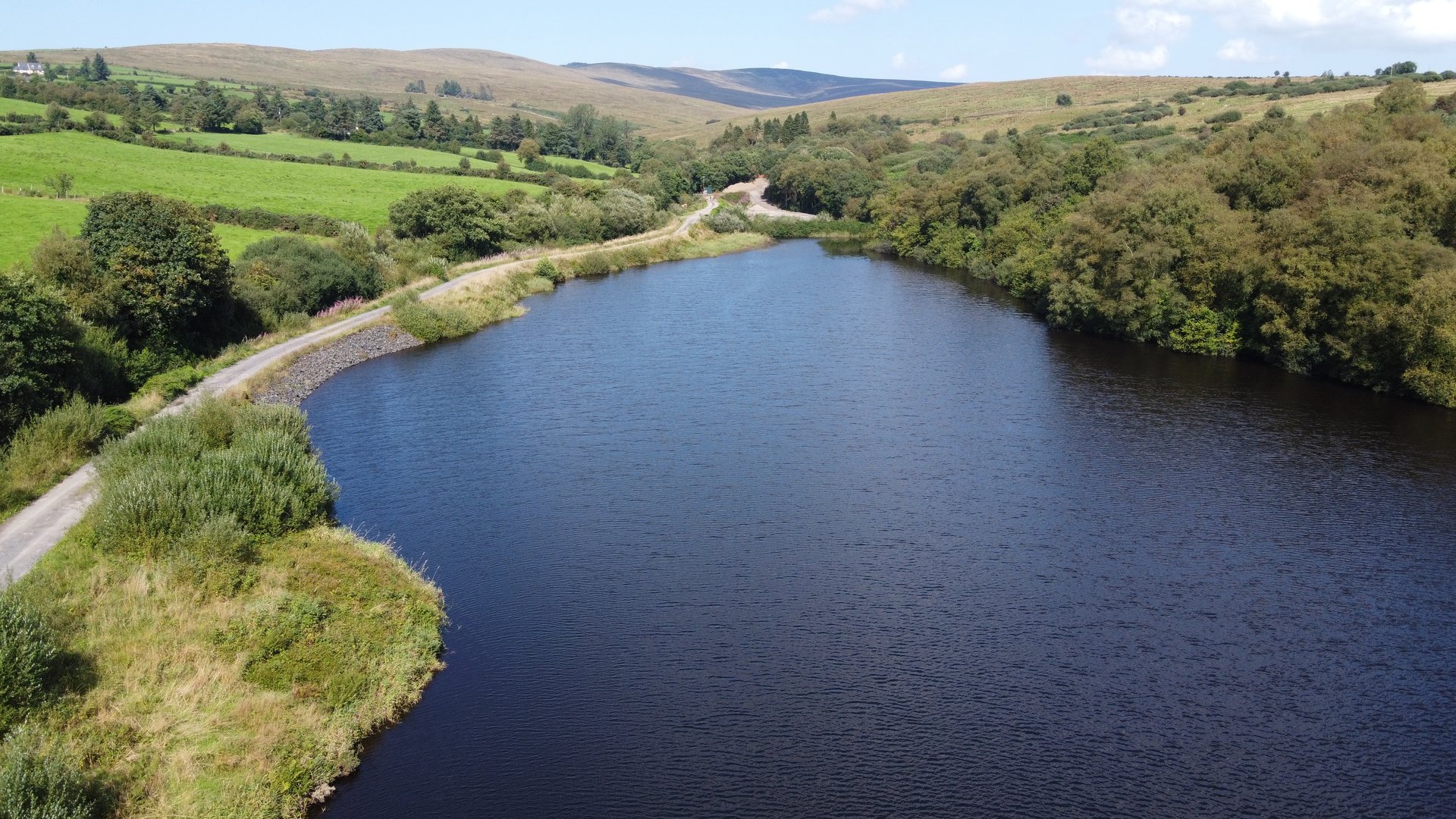
In the Strule
On-Farm Advice and Support – Trusted Farm Advisors
On-farm engagement will be led by The Rivers Trust (TRT) providing access to trusted farm advisors who understand both the opportunities and challenges of working land.
The Rivers Trust Farm Advisors will visit participating farms and walk the land with the farmer or landowner, identifying areas where action could help reduce the loss of nutrients, sediment and pesticides from fields into nearby watercourses. The James Hutton Institute staff will provide advice on the right measures to ensure they are located in the right locations.
What are we offering? – Support & Opportunities
- Free, confidential advice from our farm advisors
- A detailed farm water management plan, identifying suitable nature-based measures that could be introduced on the land (e.g. creation of a wooded riparian zone, grass or other buffer zones, sediment traps and ponds)
- 100% funded nature-based solutions on interested farms
- Throughout the project, farmers will be supported by the project team and our trusted advisors. Our approach is collaborative and practical: we want to listen to farmers, understand their priorities and develop solutions that work for both the farm and the wider environment.
By working together, we can support productive farms, healthier soils and habitats, and cleaner, more resilient watercourses for communities on both sides of the border.
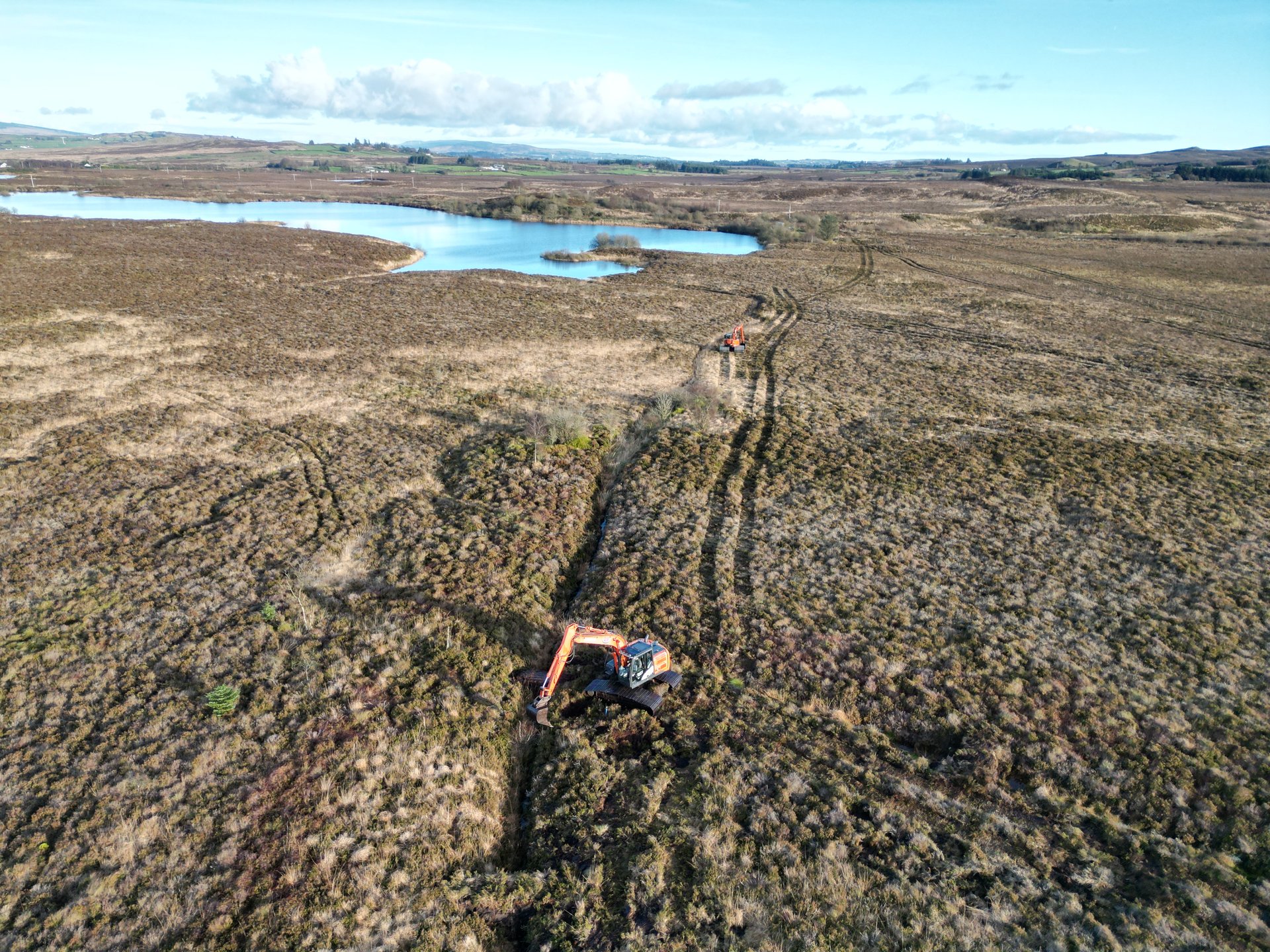
Peatland Opportunities for Landowners – Strule Catchment
Ulster Wildlife is leading on peatlands within the project’s Strule Catchment area. Ulster Wildlife is seeking all landowners interested in the long-term future of peatlands.
The project has two specific sites of interest where we wish to develop peatland restoration plans for future work: Annaghagh (Roscavey) and Deroran.
Ongoing work is occurring throughout the wider catchment, and some landowners have been able to access financial benefit through the Peatland Carbon Code.
In the Fane
Communities
We are partnering directly with participants from the local community to support practical, long-term improvements to water quality and quantity in the Fane catchment.
This approach creates an active network of farmers, businesses, and residents working together to protect local water resources. By combining scientific data with local knowledge, the project fosters a shared sense of responsibility, leading to lasting habits that protect the catchment.
To support this ‘grassroots-up’ approach, we have developed a range of education materials and resources that will be available for others to use in the future when working with communities. In addition, we will install demonstration water conservation measures and demonstration nature-based solutions on a range of sites including a farm. Knowledge-transfer visits will be carried out to understand the impacts and benefits of these measures and they will continue to inform and guide local water stewardship for years to come.
The core result of this engagement is a series of community-designed, professionally installed Nature-based Solutions (NbS), that provide immediate environmental benefits, and which have been proposed by the ECO Programme participants. These will result in measurable progress in water conservation and localised habitat restoration.
This initiative offers a clear, proven model for community-led water management that can be adapted for other at-risk water bodies. By tracking clear metrics on water savings and biodiversity both before and after installation, the project provides reliable data to support future planning and environmental funding. Ultimately, the lessons learned and shared across catchments will ensure a lasting legacy of cooperative, practical environmental care.
Want to Get Involved?
Whether you're a farmer, landowner, community group or local resident, we'd love to hear from you.
Protecting Shared Waters is working with people across our catchments to develop practical solutions that improve water quality, restore habitats and build more resilient landscapes.
Get in touch with our team to find out what opportunities are available in your area and how you can become involved.